

-
 PAM Centre
PAM Centre in Bangsar is a timeless, minimal landmark reflecting environmental, cultural and social considerations. Designed by Ar Mohd Heikal bin Hasan on a constrained site, it features a strong grid facade, tropical landscaped atriums, and dramatic stepped stair-linked spaces that unify the building as a centre for architectural advancement. More Info>
-
 SAMA Square
SAMA Square in Setapak is a pioneering market and retail landmark centered on togetherness and community. Reflecting its name, it fosters unity and multi-generational interaction, inviting residents and visitors to celebrate life through shopping, dining, leisure and shared activities in a vibrant communal space.More Info>
-
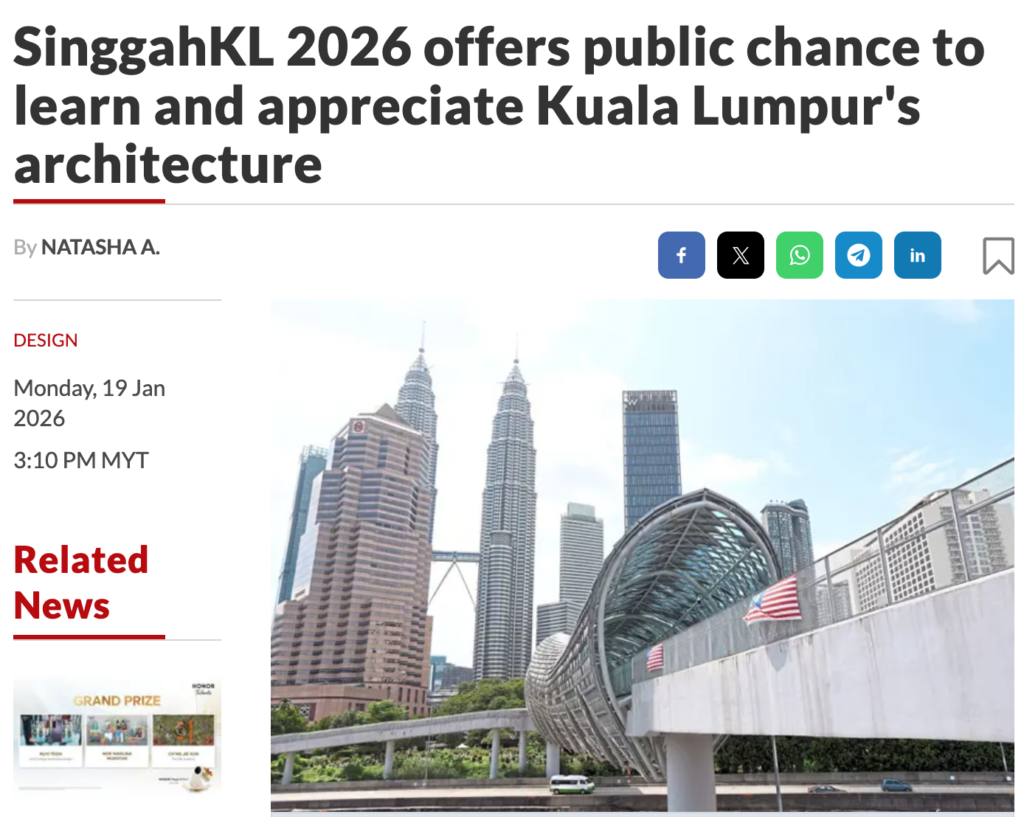
 Saloma Link
The Saloma Link is a 370m pedestrian bridge connecting Kampong Bharu and KLCC. Inspired by the Sirih Junjung, its illuminated canopy improves walkability, supports sustainable urban design, and revitalises Kampong Bharu through better accessibility and economic activity. More Info>
-
 Genius Kurnia
Permata Kurnia (now Genius Kurnia) is Malaysia’s pioneering early intervention centre for children with autism and special needs. Founded in 2015, it offers sensory-friendly design, specialised education, parental empowerment, professional training, and community outreach, fostering inclusion and holistic support. More Info>
-
 AICB
AICBThe Asian Institute of Chartered Bankers building integrates offices and training facilities with nature. Its design promotes interaction through bridges, stairs and balconies, anchored by a Research Library and a light-filled Central Atria that enhances spatial efficiency and enriches the learning experience. More Info>
-
 Hyatt Centric
Hyatt Centric KL is a 5-star hotel on Jalan Sultan Ismail, adaptively reusing a former office building. Inspired by Kuala Lumpur’s tin-mining heritage and river context, its design blends local narratives, crafted interiors and lush greenery, reflecting the brand’s distinctive, place-driven identity. More Info>
-
 +n by UR-MU
+n by UR-MU evolved from a guest house and seafood restaurant into a heritage-modern space. Original tiles and door grills preserve its historic charm, while a sleek contemporary facade and living-room-style interiors blend timeless character with chic modern design, defining its distinctive identity. More Info>
-
 UR-MU The Toffee
The Toffee is a 10-storey art-deco landmark in downtown Kuala Lumpur, blending heritage, sustainability and innovation. A vibrant hub for food, art and design, it features the BOOMBONG garden conservatory and is GBI-certified, receiving PAM’s 2025 Excellence in Architecture Commendation Award. More Info>
-
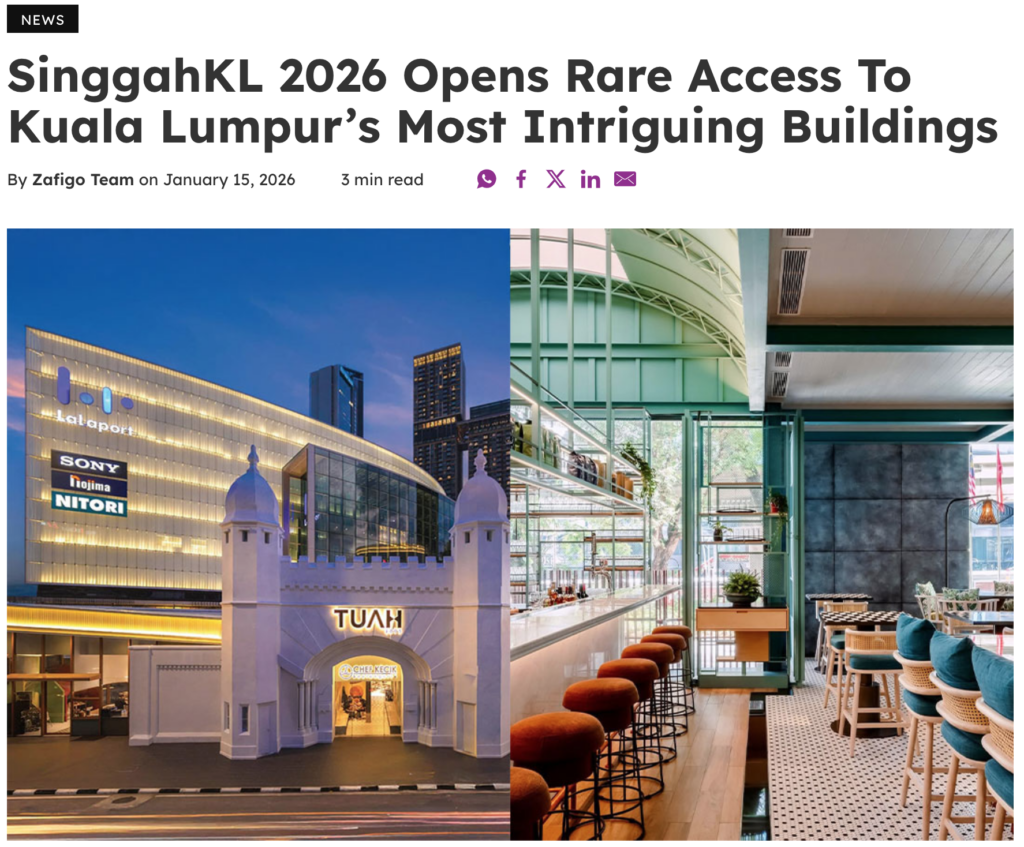
 Tuah 1895 @ BBCC
Tuah 1895 reimagines a former sales gallery through adaptive reuse, transforming it into a dining and lifestyle hub. By retaining structure, introducing layered materials and thoughtful spatial planning, the design fosters placemaking, social engagement and sustainability while responding to contemporary urban needs. More Info>
-
 Arena Sukan Kuala Lumpur
Arena Sukan Kuala Lumpur in Setapak is Malaysia’s largest multi-level sports complex, offering 20 sports facilities, an adaptable main hall, community spaces, and an 80-room hotel. Its dynamic design promotes active lifestyles, events, and strong community engagement. More Info>
-
 The Courts @ KLGCC
This project revitalises former tennis courts into a sports and wellness hub with pickleball, padel, F&B, fitness and beauty spaces. Linked buildings, split levels and simple forms integrate nature, encourage movement and social interaction, promoting an active, community-focused lifestyle. More Info>
-
 The Graph Hotel
The Graph Hotel in Cheras explores the “Urban Nomad” concept, integrating co-living, co-working and wellness spaces. Its sculptural pocket garden, breezeway and layered connections link interior and city life, reimagining hospitality as a vibrant, high-density urban hub. More Info>
-
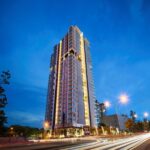 Dua Manjalara
Completed in 2018, Dua Menjalara Condominium is a boutique high-rise on a constrained 0.96-acre site in Kepong. Challenging conventional typologies, it features mid-level facilities, diverse unit types, and a 69% green ratio, exemplifying innovative, sustainable urban housing design. More Info>
-
 TAR UMT Arena
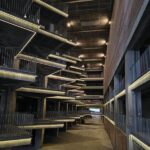
TAR UMT’s Arena is a six-storey student and multipurpose complex inspired by a grand coliseum. Featuring Malaysia’s first rooftop FIFA-certified pitch, extensive academic, sports and activity facilities, it is a GBI-certified landmark that fosters creativity, sportsmanship and vibrant campus life. More Info>
-
 The Met Corporate Tower
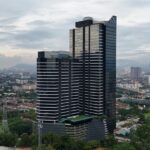
The MET KL exemplifies vertical urbanism through twin towers activated by porous public “third spaces.” With layered civic realms, material contrasts, and features like the Garden Deck and retail promenade, it redefines the office tower as a community-centric, socially connected urban ecosystem. More Info>
-
 Wei-Ling Gallery
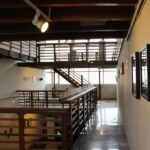
Wei-Ling Gallery, founded in 2002 by Lim Wei-Ling, champions Malaysian contemporary art. Located in a restored heritage shophouse by Prof. Jimmy CS Lim, it presents ambitious exhibitions, publishes art monographs, and engages audiences through podcasts, incubators, discussion labs and salons. More Info>
-
 MITEC
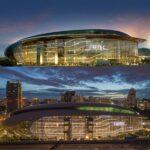
MITECMalaysia International Trade and Exhibition Centre (MITEC) is the country’s largest exhibition venue. Inspired by the rubber seed, its ellipsoid form creates a distinctive identity and enables vast column-free halls, showcasing architectural innovation while symbolising Malaysia’s economic and industrial growth. More Info>
-
 GDP Campus
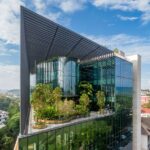
GDP Campus unites expertise under one roof as a collective environment for growth, learning and collaboration. More than a workplace, it fosters creativity, shared values and innovation, strengthening GDP’s design approach while reducing logistical barriers and breathing new life into the practice. More Info>
-
 Media City Angkasapuri
Post-independence Malaysia embraced modernist architecture, exemplified by Angkasapuri. The Media City masterplan continues this legacy, merging advanced broadcasting technology with contemporary, culturally inspired design, engaging local builders, meeting international standards, strengthening global stature, and reaffirming national identity through cultural expression.